Movement intelligence for your places, services and technologies.
Whether you manage an asset, advise clients or provide specialist technology, OPEN / SPACE connects your priorities to movement evidence and practical capability.
Who OPEN / SPACE is for.
Five audiences shape, run, assure, own and enable movement in the built environment.
Use movement evidence to shape places, evaluate options and support better design decisions.
Use live evidence to manage daily performance, safety, disruption and continuous improvement.
Use defensible evidence to support accountability, standards and confidence in decisions.
Use evidence to guide investment, manage risk and maintain visibility of performance.
Connect sensors, data, software, integration and specialist capability into a wider operational solution.
Three ways to work with OPEN / SPACE.
Clients and partners enter from different starting points. OPEN / SPACE connects them through one shared evidence layer. Whichever route you take, the OPEN / SPACE platform is the shared working environment where its configured dashboards, models and capabilities are accessed.
Clients and partners contribute the context, expertise and relationships that shape each engagement. OPEN / SPACE provides the movement intelligence platform and specialist capability. Technology and delivery partners support integration and physical deployment where required.
How OPEN / SPACE is put to work
Different organisations start with different challenges. These examples are grouped by the decision they support, from running live operations to planning places that do not yet exist.
Live operational monitoring
See, predict and respond in real time.
Monitor how people use your space minute by minute. From managing crowd surges to redirecting staff based on real-time alerts, OPEN / SPACE helps you run your environment safely and efficiently every day.
Live congestion and welfare alerts at London Euston, supporting safer and more effective station operations.
Integrated asset intelligence
Connect people flow to your infrastructure.
Track how people interact with lifts, escalators, barriers and more. Align service levels with real-world demand to reduce friction, energy use and maintenance downtime.
Part of the St Pancras research and deployment programme: relating asset usage such as escalators to movement data to inform uptime and energy decisions.
Welfare, risk & SLA support
Smarter alerts, safer spaces.
From unclean facilities to vulnerable individuals or emerging safety risks, OPEN / SPACE links environmental data with people flow to support SLA management and proactive welfare responses.
Identifying heavily used facilities and prompting targeted operational responses in high-footfall areas.
Manage construction and change.
Test and validate changes as places are built, refitted and commissioned.
Redesign with intelligence
Use live and historical data to shape better spaces.
Refit your spaces with confidence. OPEN / SPACE overlays current usage, pinch points and flow patterns to redesign layouts, systems or signage strategies that improve function and experience.
Euston Station: concourse redesign implementing a new Customer Information System (CIS), validated with digital twin overlays for managing people movement.
Operational readiness
From build to operations, ready for day one.
Bridge the gap between the design world and live operations. OPEN / SPACE supports commissioning by testing with real passenger behaviour, iterating layouts and validating information systems in situ, so that at handover the place is both safe and customer friendly and operators have confidence from day one.
Commissioning the new Customer Information System at London Euston, validated against real passenger behaviour before handover.
Wayfinding strategy validation
Design, test and refine signage before you build it.
Use simulation and immersive environments to test how users interpret your wayfinding strategies before committing to signage or layout changes.
Illustrative application: testing new signage for clarity across different visitors using immersive walkthroughs.
Plan and test future places.
Model and compare options for places that are still being planned.
Design from a blank canvas
Define the DNA of a new space.
Start with a blank sheet and use OPEN / SPACE to collaboratively define what a space is for: its purpose, flow and the experiences it must support. The platform simulates movement, tests designs virtually and brings stakeholder voices into the process early through immersive tools.
London Bridge: earlier movement-modelling work by the team, illustrative of the design approach now built into OPEN / SPACE.
Designing capacity for a vertical city
Optimising flows in Shenzhen's Houhai masterplan.
Our modelling showed how the masterplan could integrate transport arrivals of over 550,000 people within a three-hour peak, while maintaining comfort and safety across elevated walkways and ground-level routes. By embedding resilience and accessibility into the design, Houhai is shaped as a vertical city experience, ready for both everyday vibrancy and major events.
Modelled scenario: testing how a complex mixed-use district could accommodate large volumes of movement before implementation.
Relevant across industries
Proven in complex transport environments, with applications across other places where movement shapes performance.
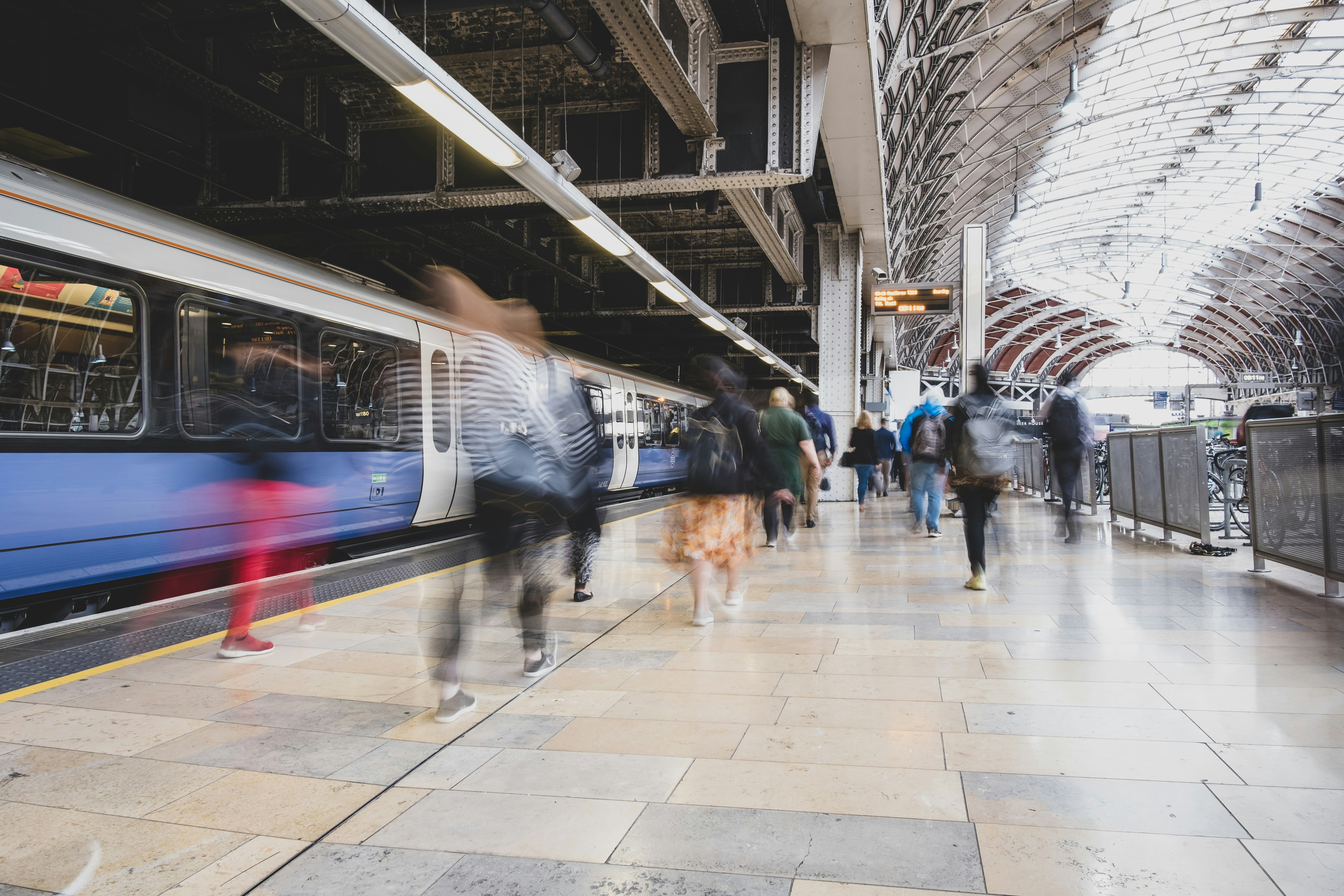
Rail
Stations, interchanges, platforms and complex passenger environments.
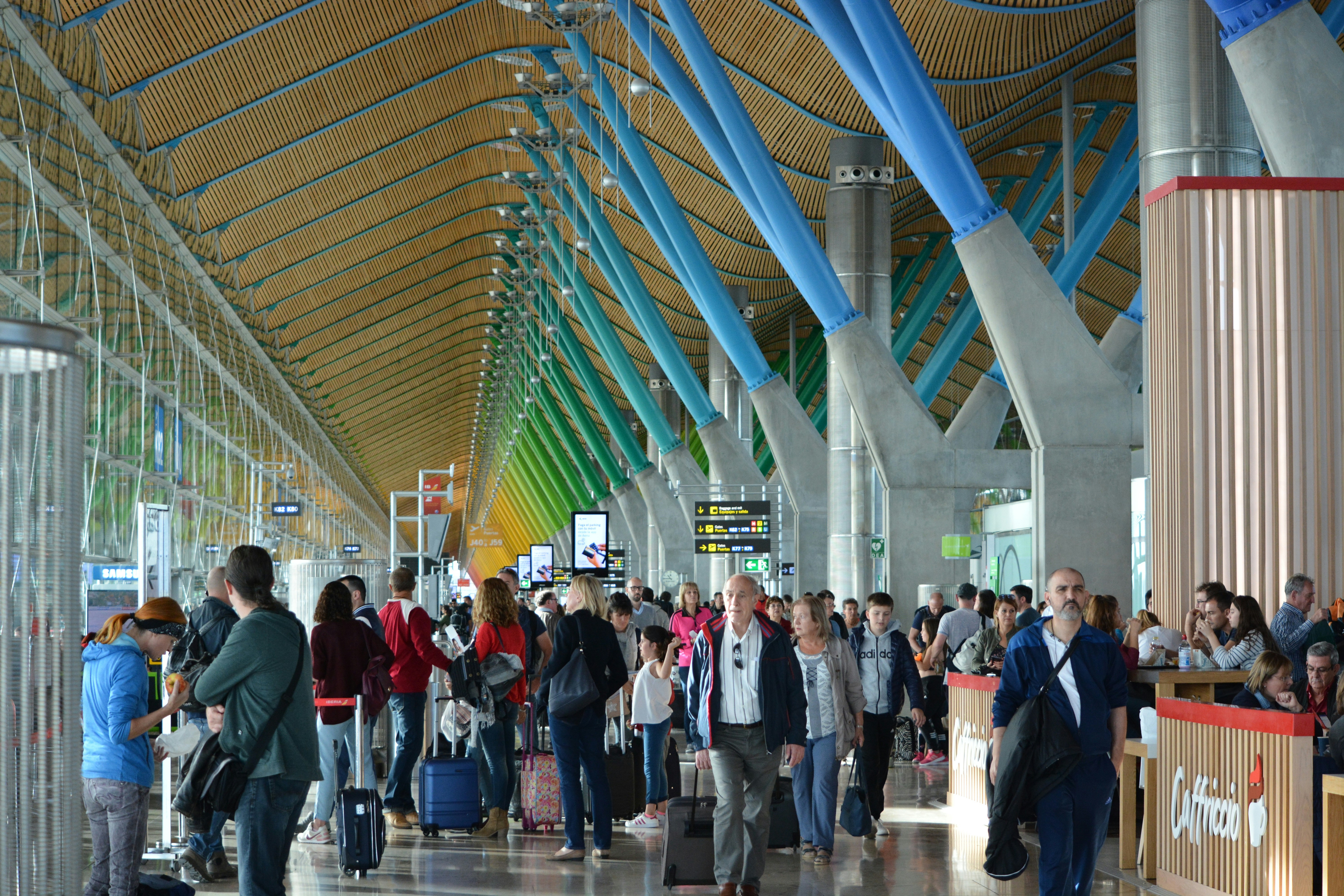
Aviation
Terminals, security, arrivals, departures and passenger processing.
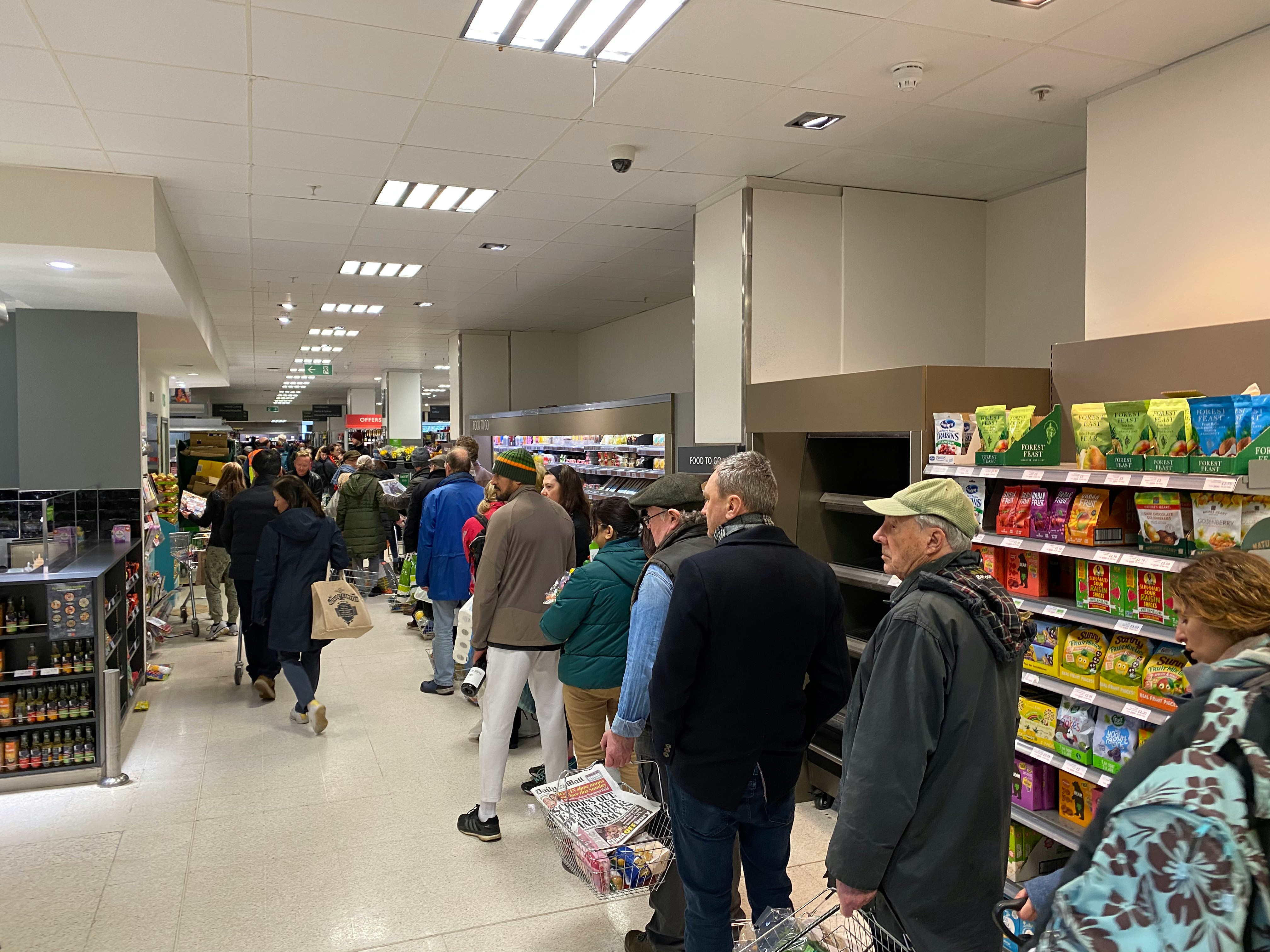
Retail
Shopping centres, mixed-use destinations and commercial environments.
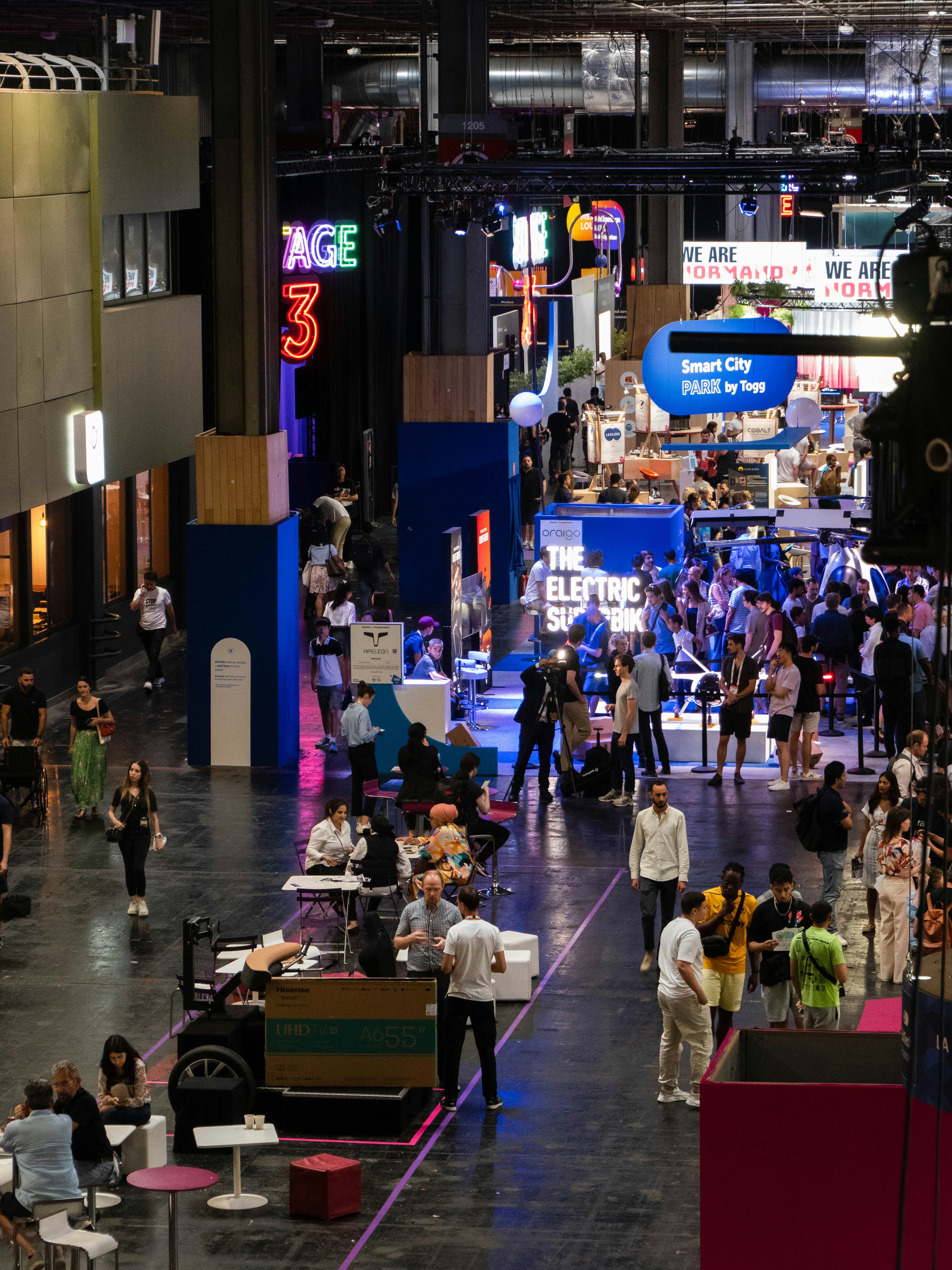
Events
Venues, arenas, temporary events and high-demand movement.
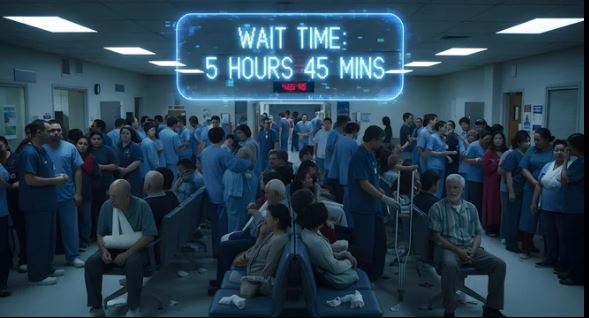
Healthcare
Hospitals, healthcare campuses and complex patient and visitor journeys.
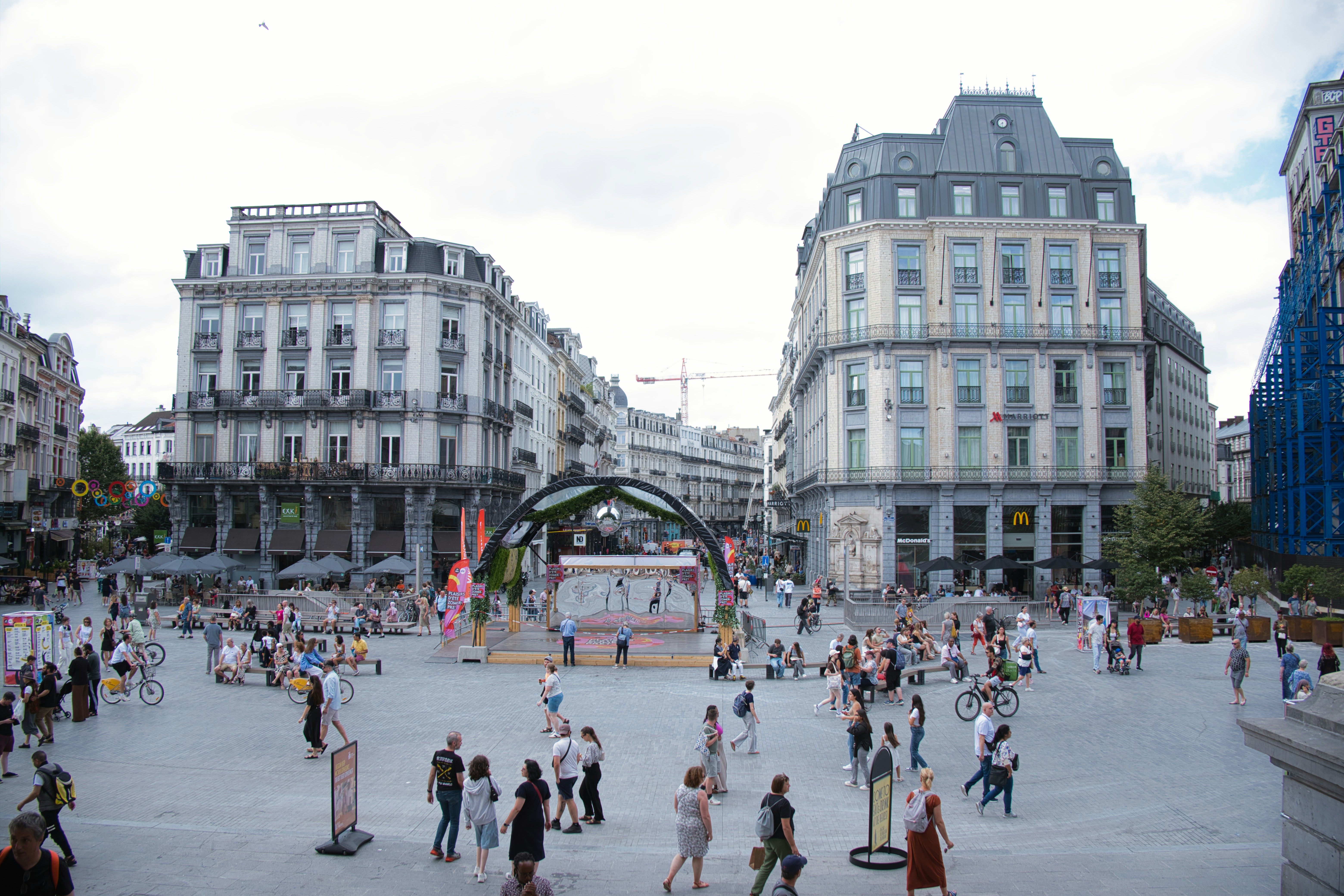
Civic space
Public realm, cultural destinations and complex urban environments.
Most work starts small and focused, with a clear decision in mind.
Start with one problem, one place or one capability.
Establish the evidence, demonstrate the value and decide what to scale.